Learn-Innovate-Sell-Succeed LISS24
Project aims at increasing B2B Sales and innovation capacity of Armenian and Georgian universities, especially in the field of engineering in the new digital era
The Project No
101128310 - LISS24 - ERASMUS-EDU-2023-CBHE
Coordinated by
TURKU UNIVERSITY OF APPLIED SCIENCES
List of Consortium Members
Project Photo
TURUN AMMATTIKORKEAKOULU OY
Project Photo
UNIVERSITAT POLITÈCNICA DE VALÈNCIA
Project Photo
FACHHOCHSCHULE WIENER NEUSTADT GMBH
Project Photo
KUNGLIGA TEKNISKA HOEGSKOLAN
Project Photo
NATIONAL POLYTECHNIC UNIVERSITY OF ARMENIA
Project Photo
GEORGIAN TECHNICAL UNIVERSITY
Project Photo
NATIONAL UNIVERSITY OF ARCHITECTURE AND CONSTRUCTION OF ARMENIA
Project Photo
ARMENIAN NATIONAL AGRARIAN UNIVERSITY
Project Photo
AKAKI TSERETELI STATE UNIVERSITY
Project Photo
SHOTA RUSTAVELI STATE UNIVERSITY
Project Photo
BENDAHARA SEAMED REGIONAL OPEN L CENTER SEAMOLECI-DEPDIKNAS
Project Photo
MINISTRY OF EDUCATION AND SCIENCE OF GEORGIA

The methodology of the project is built on three core elements

B2B Sales courses in all partner universities ended by the assessment through sales competitions

Effective learning of innovation competences and creation of potential new products and services

Sales Labs launched to foster understanding about salesperson’s and customer’s behavior as well as accelerate new university-business cooperation in education and research

Project News

Image
Innovation Trainings and Competition at NUACA

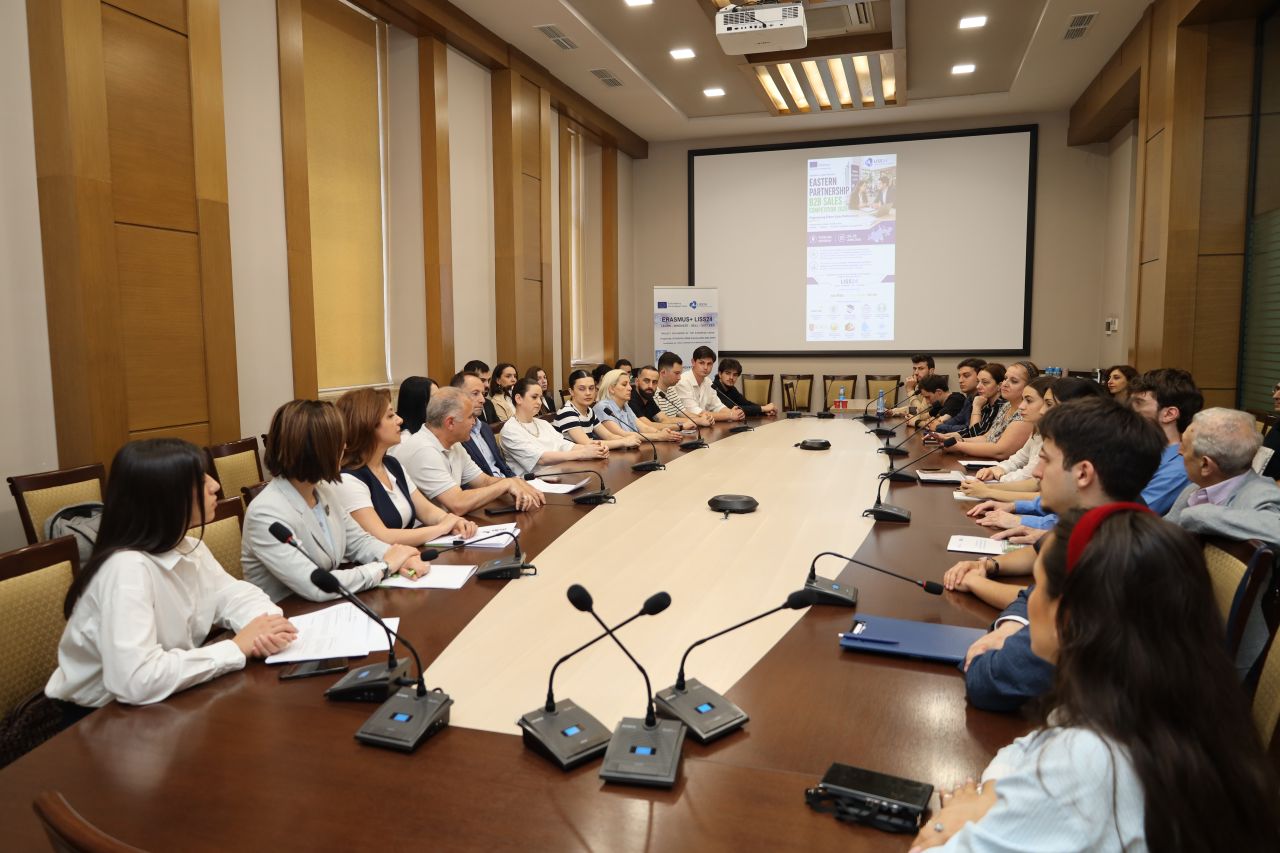
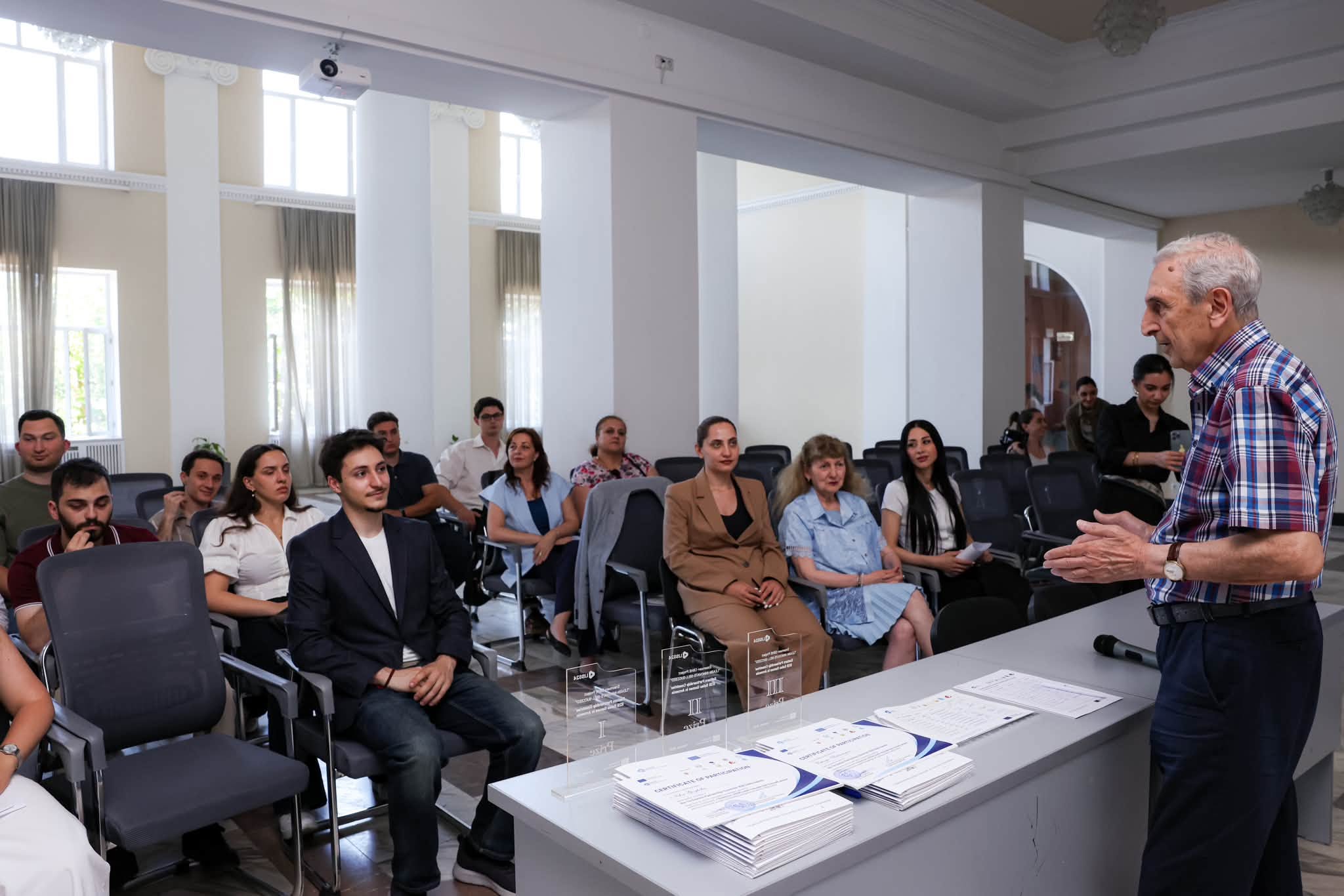
From 25 February to 16 March 2026, within the framework of WP4 of the Erasmus+ LISS24 project (T4.3 Organizing Innovation Courses and Competitions), a series of lectures on the topic “Generation of Innovative Ideas” was launched at the National University of Architecture and Construction of Armenia. It was run until March 16 of 2026 and ended with the competition held at the NUACA in two rounds (respectively on March 25 and March 27 of 2026). The purpose of this course was not only to impart basic knowledge about innovative business ideas to students, but also to develop students' creative thinking, allowing them to identify consumer problems and generate ideas aimed at solving these problems. An interactive teaching method was used for training implementation. The training materials were developed, including didactic materials intended for interactive learning. Didactic materials included the following: printed materials, various information materials (PowerPoint presentations), photos, pictures, game and interactive materials, roleplaying games, digital and practical materials. The lectures were conducted with the participation of the NUACA local person who is responsible for the quality assurance of all events implemented within the LISS24 project. This report is a confirmation that the training course was conducted qualitatively and in accordance with the set objectives. The training on the course "Innovative Business Ideas Generation" was completed by two phases of the competition: respectively on March 25 and March 27, for business ideas developed by the course participants. Six teams of students participated in the final round of competition, each of which presented its business idea using the CANVAS business model. The presented business ideas were evaluated by the eight-member committee according to pre-developed criteria. As a result, 3 participants were recognized as winners in the first, second and third places. All participants were awarded by the certificates of participation.

Image
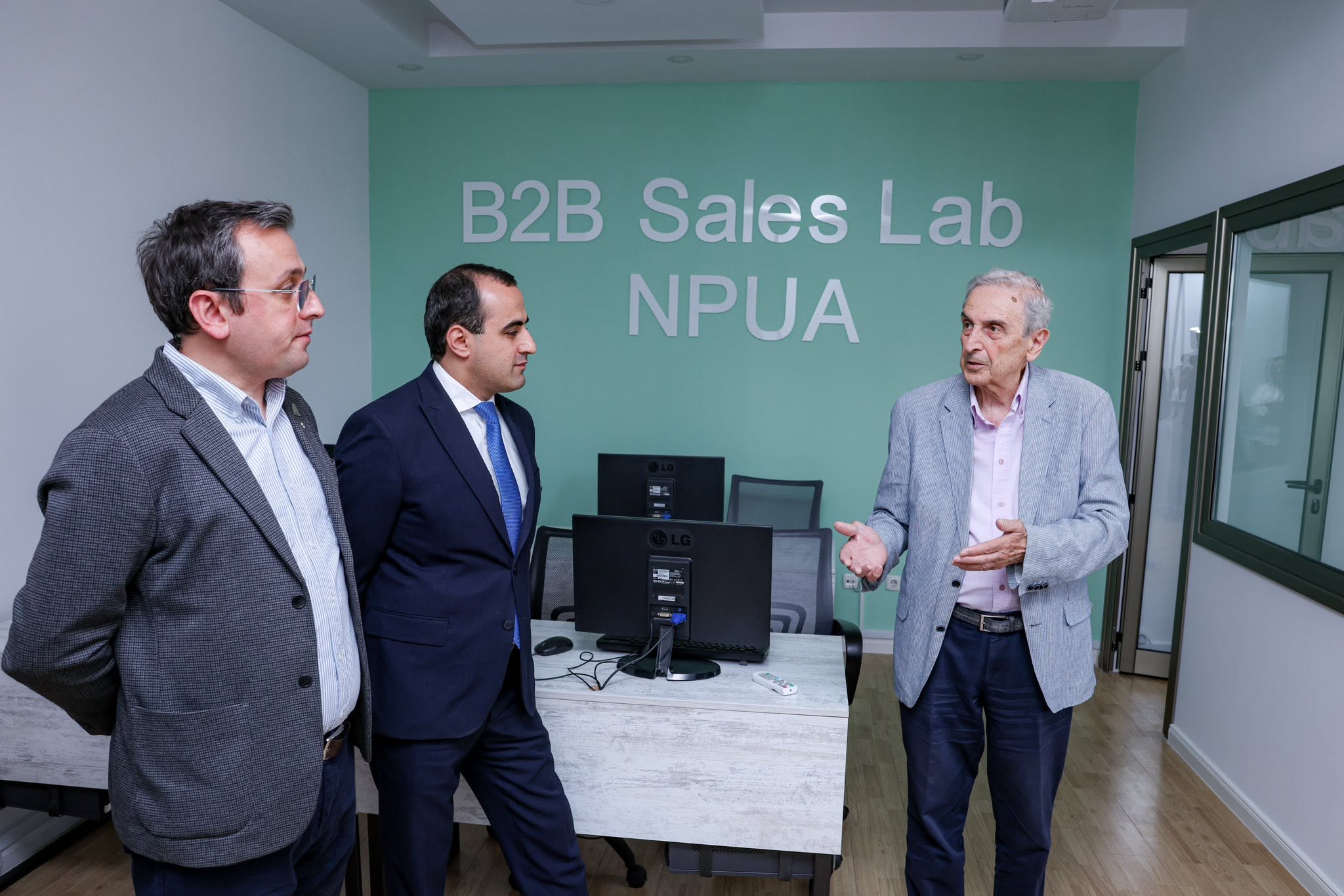
B2B Trainings and Competitions at NUACA

From April 10, 2026, within the framework of WP4 of the Erasmus+ LISS24 project (T4.3 Organizing Innovation Courses and Competitions), a series of lectures on the topic “Business to Business (B2B) sales” was launched at the National University of Architecture and Construction of Armenia. It was run until April 24 of 2026 and ended with two rounds of competition (respectively on April 27 and April 29, 2026).The purpose of “B2B sales” training was to equip students with the knowledge, skills, and tools necessary to effectively utilize a company’s products or services, improve operational efficiency, and foster long-term strategic partnerships that drive mutual growth and success. The training materials were developed, including didactic materials intended for interactive learning. Didactic materials included the following: printed materials, various information materials (PowerPoint presentations), photos, pictures, game and interactive materials, role-playing games, digital and practical materials. The lectures were conducted with the participation of the NUACA local person who is responsible for the quality assurance of all events implemented within the LISS24 project. This report is a confirmation that the “B2B Sales” training course was conducted qualitatively and in accordance with the set objectives. The training on the course "B2B Sales" was completed by two rounds of the competition (respectively on April 27 and 29). The course participants were prepared for the first round of the competition by Ms. Tatevik Yedoyan. The scenario in alignment with the topic of competition was developed for the first round of competition and potential participants were provided by the assignment preliminary. Eleven students took part in the final round of competition. The judges commission of the final round of competition was composed from 6 members. Evaluation criteria were presented to the judges. The competed students were provided with the assignment. Two employees of ReZident.am company took a role of “buyers”: • Anushik Grigoryan - Sales Manager of ReZident.am • Roza Adamyan - Sales Manager of ReZident.am As a result of the competition, the following students were nominated: Luisa Mkrtchyan for 1st place Armine Hakobyan for 2nd place Areg Grigoryan for 3rd place All students who took part in the” B2B Sales” training received certificates of participation.

Image
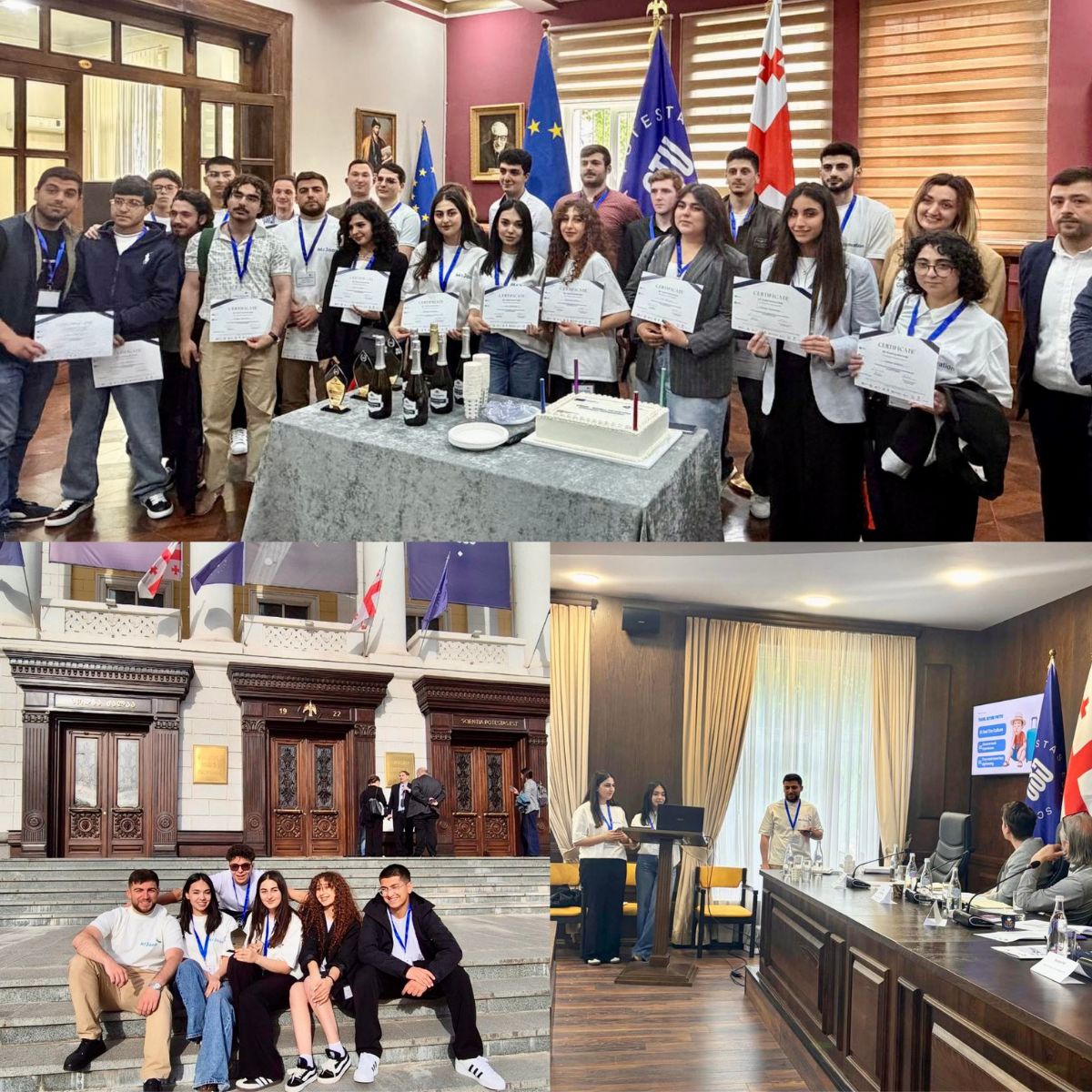
GTU to host Eastern Partnership Innovation Competition within the Erasmus+ program

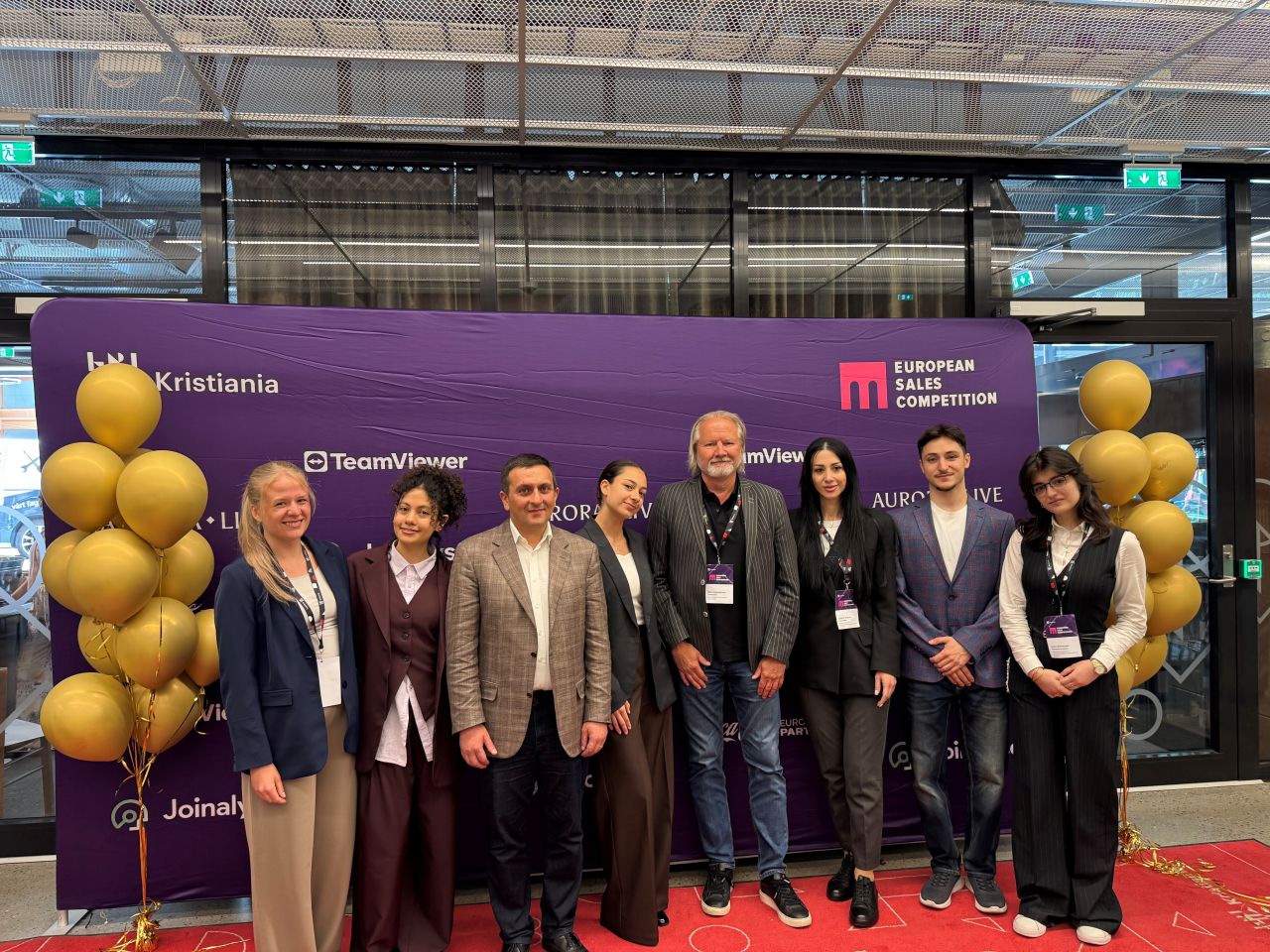
Georgian Technical University will host a large-scale event — the “Eastern Partnership Innovation Competition” — within the framework of the Erasmus+ grant program KA2 institutional strengthening project “Learn – Innovate – Sell – Succeed” (LISS24). The goal of the project is to support the practical implementation of innovative ideas among students, develop entrepreneurial skills, and share international experience. The event will officially open on May 19 and will involve students, young innovators, and representatives of the academic sphere from both Georgia and Eastern Partnership countries — Finland, Sweden, Spain, and Austria. Within the competition, participants will have the opportunity to present their startup ideas, innovative products, and technological projects. According to the dean of the Faculty of Transport Systems and Mechanical Engineering at GTU, the event within the framework of LISS24 was planned several months ago. As Professor Boris Githolendia states, the project includes intensive mentoring and a series of educational trainings at partner universities in Georgia and Armenia. At the final stage of the competition, 12 selected teams from 6 universities will present their projects — including student teams from Georgian Technical University. According to the dean, the event is large-scale and will be attended by members of the project consortium together with Georgian and Armenian colleagues, while the winners will be selected by a specially created jury. The competition will be held in various categories, including digital technologies, social impact, creativity, and others. “It is of special importance for us that Georgian Technical University is hosting an international-scale innovation platform. The ‘Eastern Partnership Innovation Competition’ gives students the opportunity to turn their ideas into real projects, deepen their entrepreneurial and technological skills, and establish connections with international professional networks. Innovation in the field of transport systems and mechanical engineering is especially important, as the modern engineering sector is rapidly developing and requires new, practical, and sustainable solutions. Within the university space, the development of the entrepreneurial ecosystem is increasingly based on the systematic support of student ideas. The goal of the project is precisely to ensure that young people receive structured knowledge and academic as well as practical assistance already at the stage of shaping their ideas. The LISS24 project significantly improves the innovation ecosystem and creates important opportunities both for our students and at the institutional level.” – Associate Professor Boris Githolendia The LISS24 project aims to enhance innovative competencies in engineering education. At Georgian Technical University, the institutional coordination of the project is carried out by the University Office of Technologies and Grant Projects, while the initial piloting of the results is taking place at the Faculty of Transport Systems and Mechanical Engineering. The project’s partner is the GTU Department of Student Services, Culture, and Sports. Additional information about the project is available on the website. https://www.gtu.edu.ge/en/stu-shi-erasmus-programis-pharglebshi-aghmosavleth-partniorobis-qveqhnebis-inovatsiebis-konkursi-chatardeba/

Image
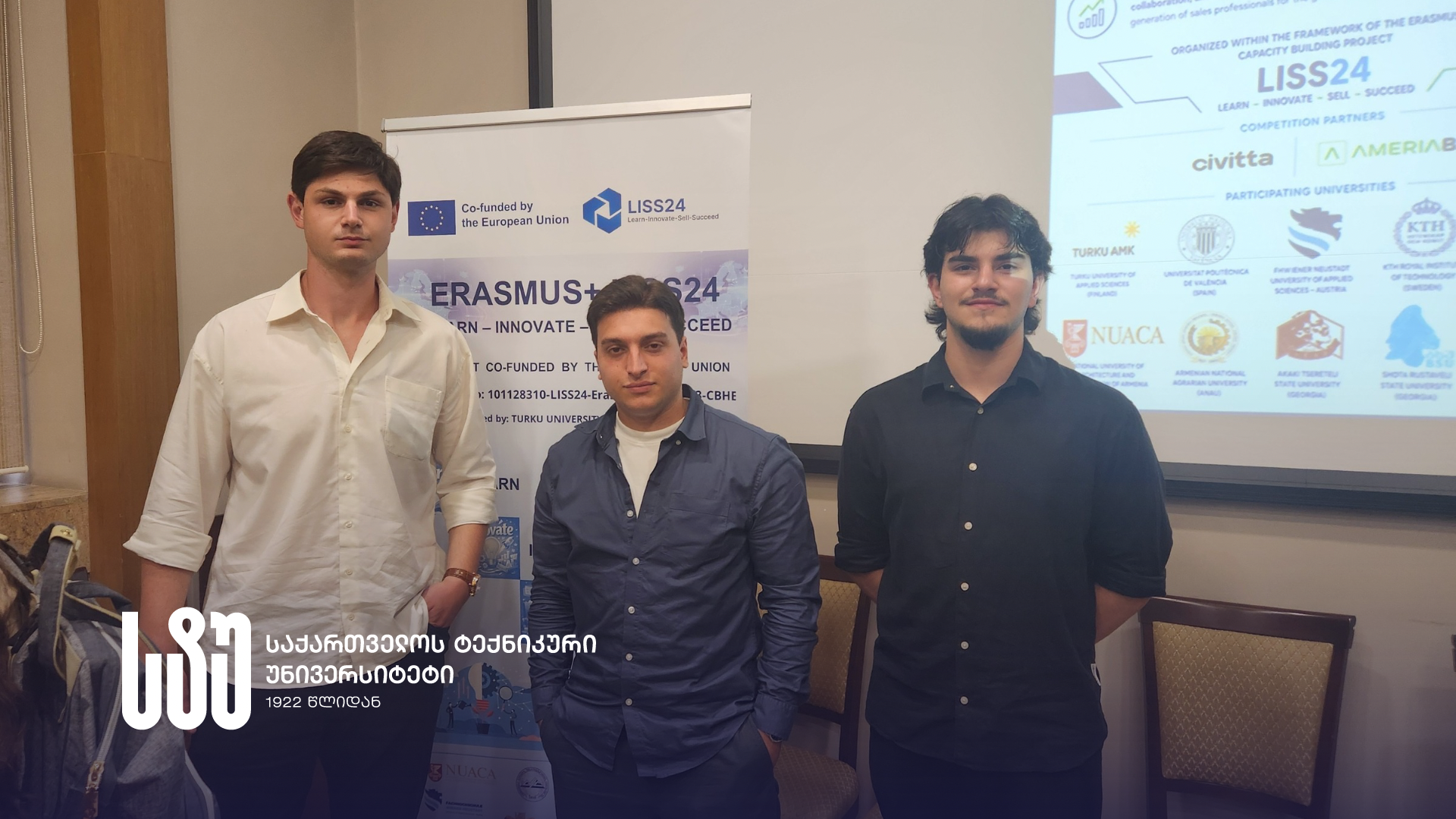
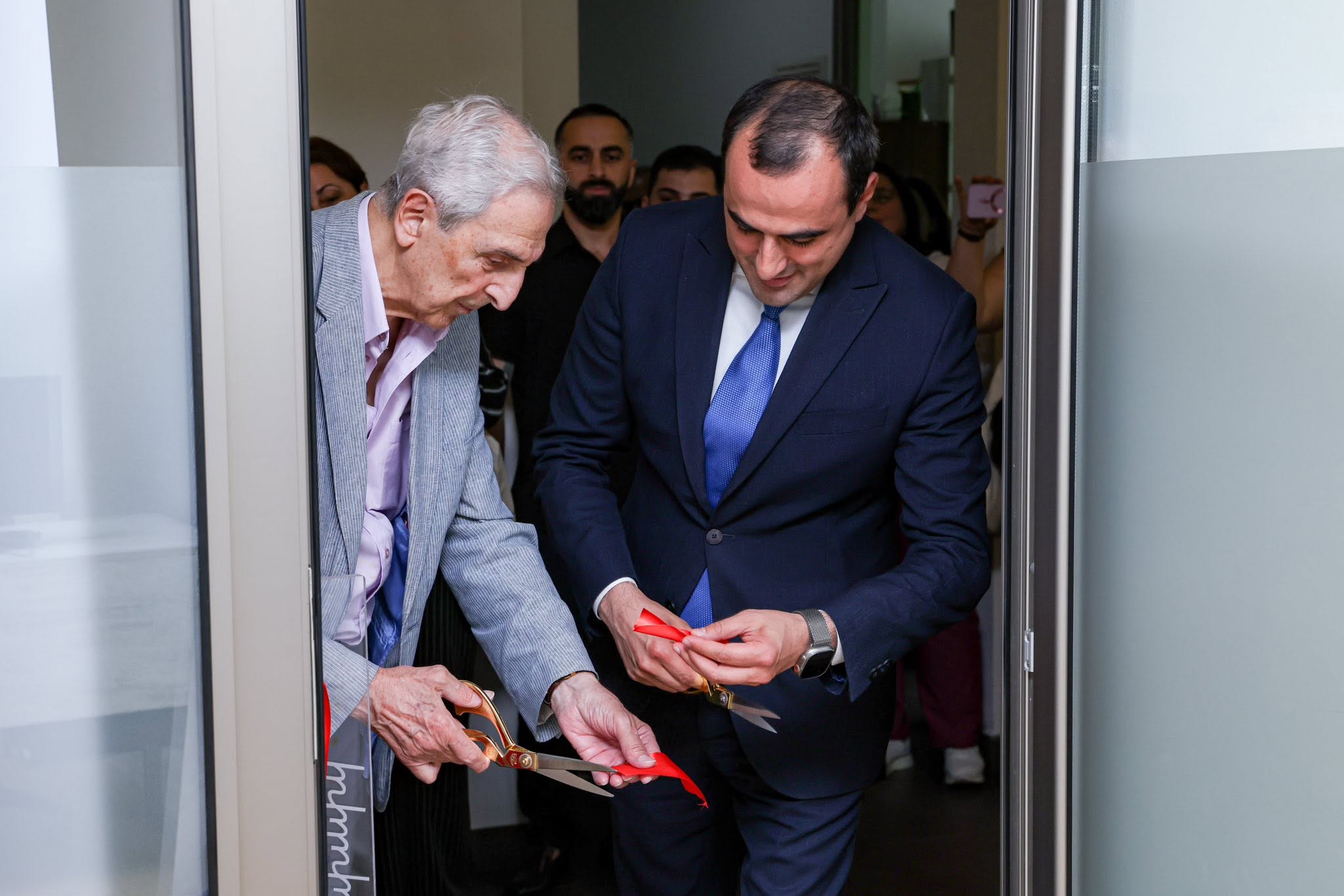
At the Georgian Technical University, within the framework of the international Erasmus+ project LISS24 (Learn – Innovate – Sell – Succeed), a “Sales Laboratory” has been established. This was reported by the university.

According to the university, by decision of the Academic and Representative Councils, the “Sales Laboratory” has been founded as a research unit and serves as a multifunctional educational and practical environment. It is designed to support the development of students’ professional skills in both B2B and B2C sales, as well as to facilitate joint research projects with the business sector. According to the Vice-Rector of Georgian Technical University, the functional scope of the laboratory includes the creation of a multifunctional educational and practical space integrating teaching, research, and practical activities. As stated by Professor Tamar Tsereteli, the model is based on modern educational paradigms that prioritize experiential learning and the active involvement of students in real business processes. “The aim of the project is to introduce modern sales standards, methods, and tools into the educational programs of Georgian Technical University. Through the laboratory, students are given the opportunity to develop skills relevant to the business environment, such as negotiation, strategic sales planning, and key account management. Currently, the university’s academic staff is developing relevant courses, which will soon be integrated into various academic programs. This initiative will contribute to fostering a sales culture among engineering students and enhancing their competitiveness,” noted Professor Tamar Tsereteli. According to the Dean of the Faculty of Transport Systems and Mechanical Engineering, within the framework of the project, modern technological equipment has been procured for the “Sales Laboratory,” and qualified personnel have been trained. As reported by Professor Boris Gitolendia, with the support of the university administration, the laboratory’s workspace has been fully renovated. “It is noteworthy that this is the first laboratory of its kind in Georgia, and it will significantly strengthen collaboration between the business sector and the university. The laboratory will offer various research services to the business sector aimed at enhancing their sales potential and competitiveness. The LISS24 project is an institutional development grant project implemented under the Erasmus+ KA2 program, aimed at improving innovative competencies in engineering education. At Georgian Technical University, the institutional coordination of the LISS24 project is carried out by the University Office of Technology and Grant Projects, while the initial piloting and main activities are implemented at the Faculty of Transport Systems and Mechanical Engineering,” noted Boris Gitolendia. The LISS24 (Learn – Innovate – Sell – Succeed) project, implemented under the European Union’s Erasmus+ KA2 program, is coordinated by the Turku University of Applied Sciences (Finland). The LISS24 project will conclude in December 2026. Additional information about the project can be found at: http://liss24-am.liss24.com/.

Image
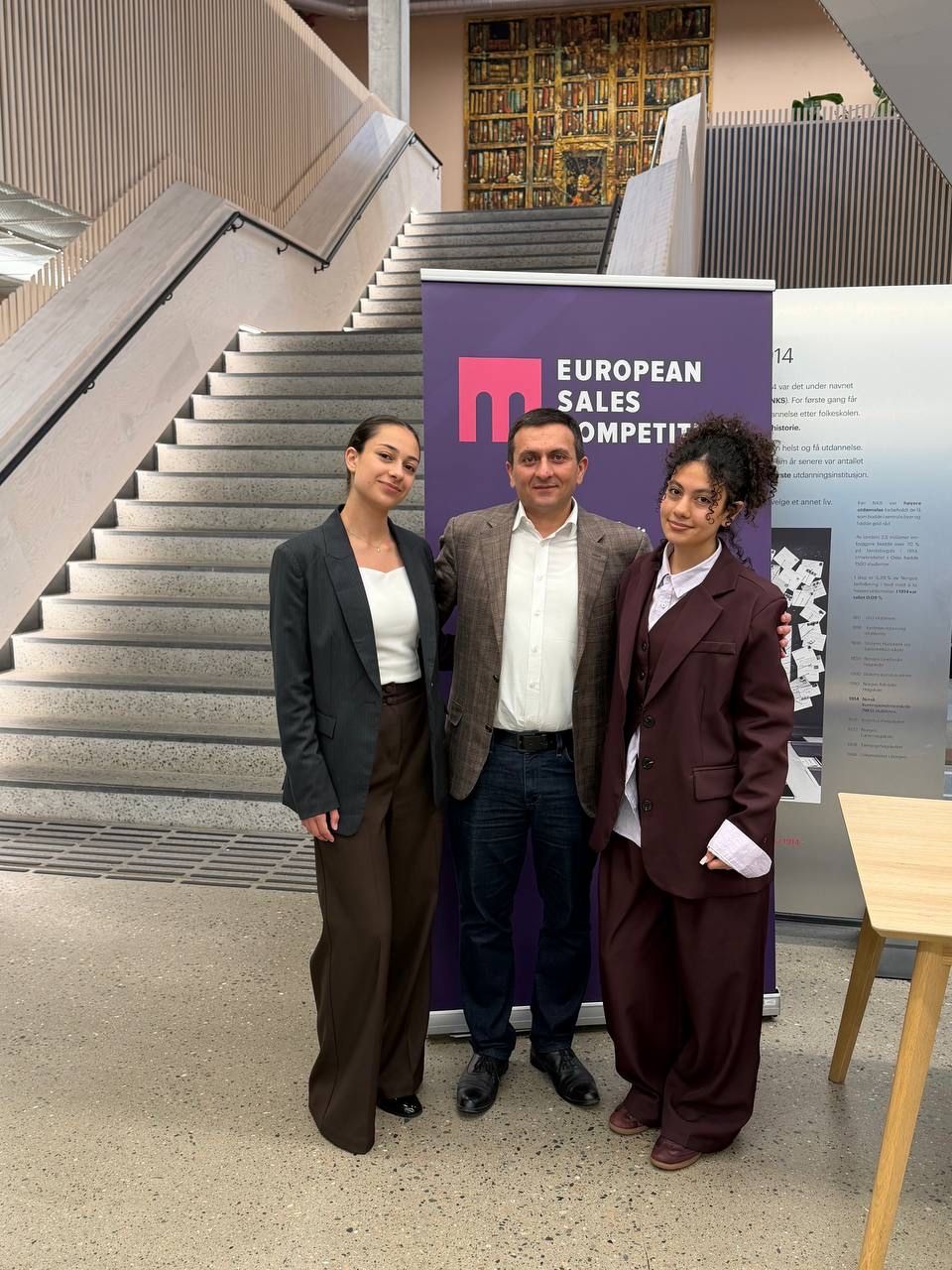
The "Innovative Business Ideas" competition was held at the Polytechnic University within the framework of the Erasmus+ program.

The National Polytechnic University of Armenia successfully launched and held the “Innovative Business Ideas” competition, which was implemented within the framework of the Erasmus+ “Learn, Innovate, Sell, Succeed” (LISS24) program. The initiative brought together creative teams of students and pupils, whose goal was to present to the public business projects containing innovative solutions applicable in the modern market. The competition stage was preceded by specialized thematic courses, during which participants had the opportunity to train and deepen their knowledge in three key areas: creative thinking, comprehensive business impact assessment and business modeling. This preparatory stage was of fundamental importance for the participants, providing the theoretical and practical base necessary to generate competitive ideas. The courses were organized exclusively in an applied format, which allowed the participants to conduct a thorough market analysis and formulate their own ideas through group work. Particular attention was paid to assessing the feasibility of projects, bringing them into line with modern entrepreneurial requirements and market dynamics, which was the main result indicator of the competition. Gor Martirosyan, Director of the Center for Labor Market Research and Professional Career: “The main goal of this competition is to form the students’ abilities not only to generate ideas, but also to make them applicable in the market. We used training and game methods so that participants could develop practical thinking, be able to correctly assess the viability of their idea and effectively present it to investors or partners. It is important for them to understand that an idea has value only when it can solve a real problem and find its place in the market.” The first place went to the “Perseus” project, which involves the development of a new generation development board. It is a multifunctional electronic device designed for programmers and engineers to quickly test, develop and verify various ideas. The device includes a microcontroller, power supply system, connection ports and communication modules, which allows for a wide range of applications. The team members are David Lanjuni, a student of the M 510 academic group, and Lilit Afrikyan, a student of the IT 538 academic group. The second-place team presented the “Air Purification Station” project. It is based on the principle of ionization and is aimed at significantly reducing construction and operation costs, while ensuring high efficiency. According to preliminary calculations, the station is able to purify up to 30 thousand cubic meters of air per hour. The team includes Levon Soghomonyan, a student of the EE 334 academic group, Arayik Karapetyan, a student of the IT 361 group, and Mariam Ghambaryan, a student of the EE 306 group. In total, 5 teams participated in the competition, represented by 12 students from different institutes and faculties of the National University of Science and Technology. The winning teams will receive a unique opportunity to travel to Georgia to participate in an international competition jointly held with students from the program's partner universities. This platform will provide young innovators with the opportunity to present their ideas to a wide international professional audience.