

.jpg)
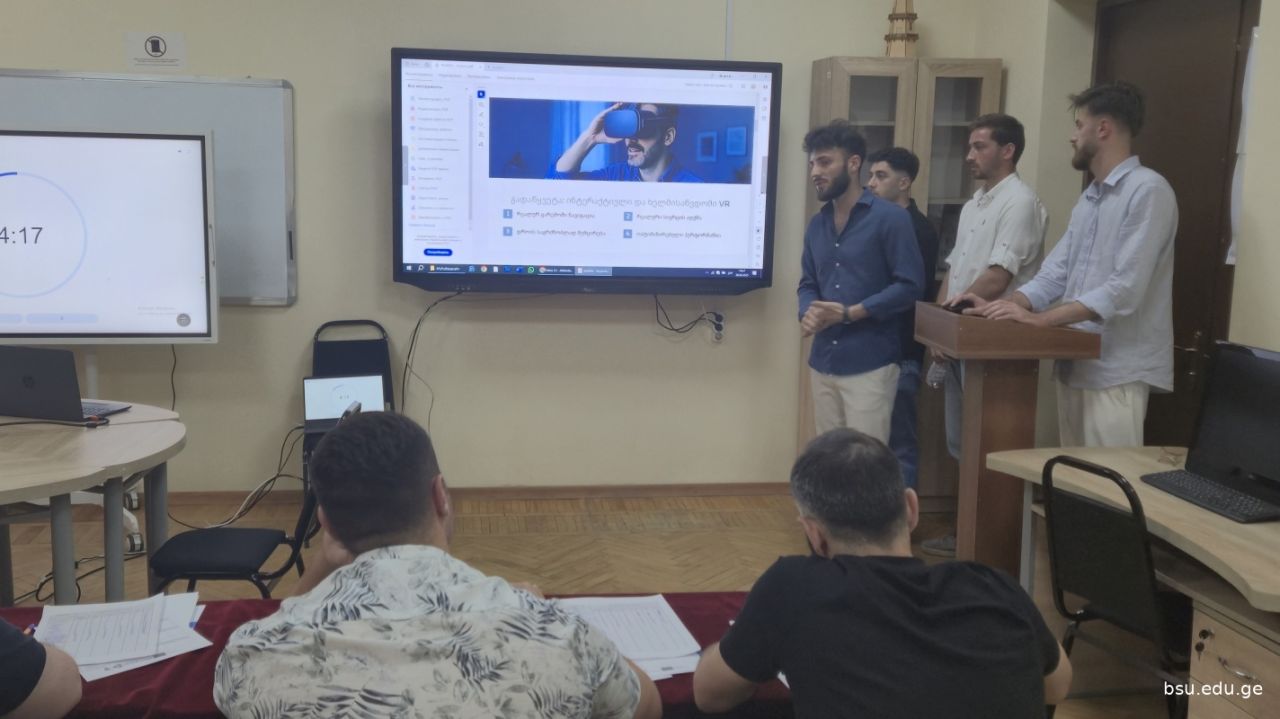
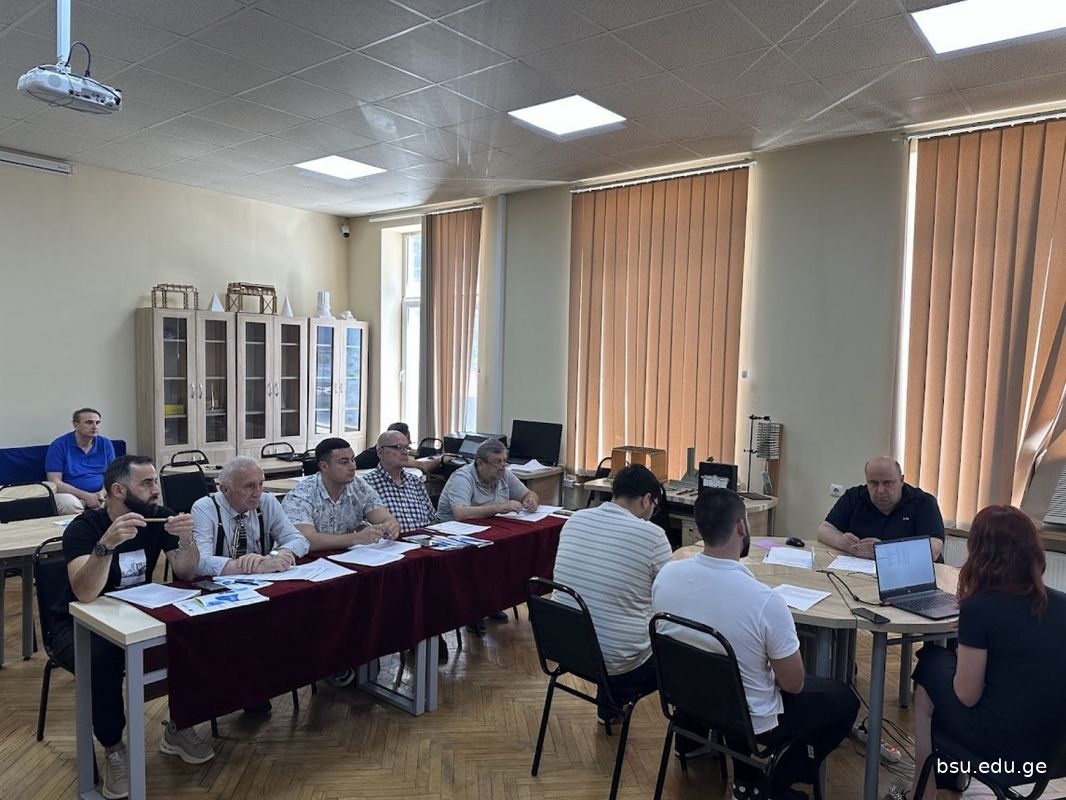
Within the framework of European ERASMUS+ “Learn – Innovate – Sell – Succeed” (LISS24) project Innovations Sales Competition was held at the Faculty of Technology of Batumi State University (BSU), in June of the past 2025. The competition integrated both innovative activities and the sales processes itself, incorporating an embedded innovation contest. As part of the Innovations academic course, students were trained in the following key areas: mentoring, team formation, customer segmentation, value propositions, business model canvas, company value configuration, the three barriers model, and related topics. Subsequently, students explored innovative sales systems for their developed innovative products. This phase covered essential topics such as innovative sales methods and processes, international sales skills, nonverbal communication, negotiations, needs identification, and deal closure techniques.
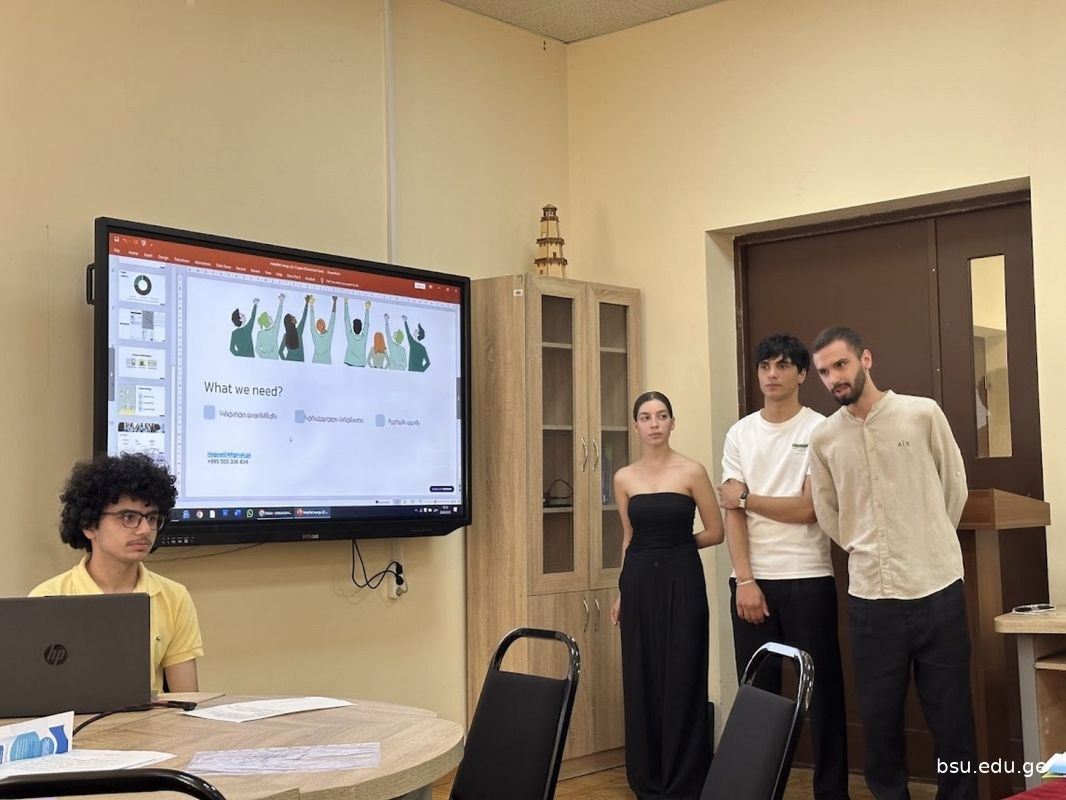
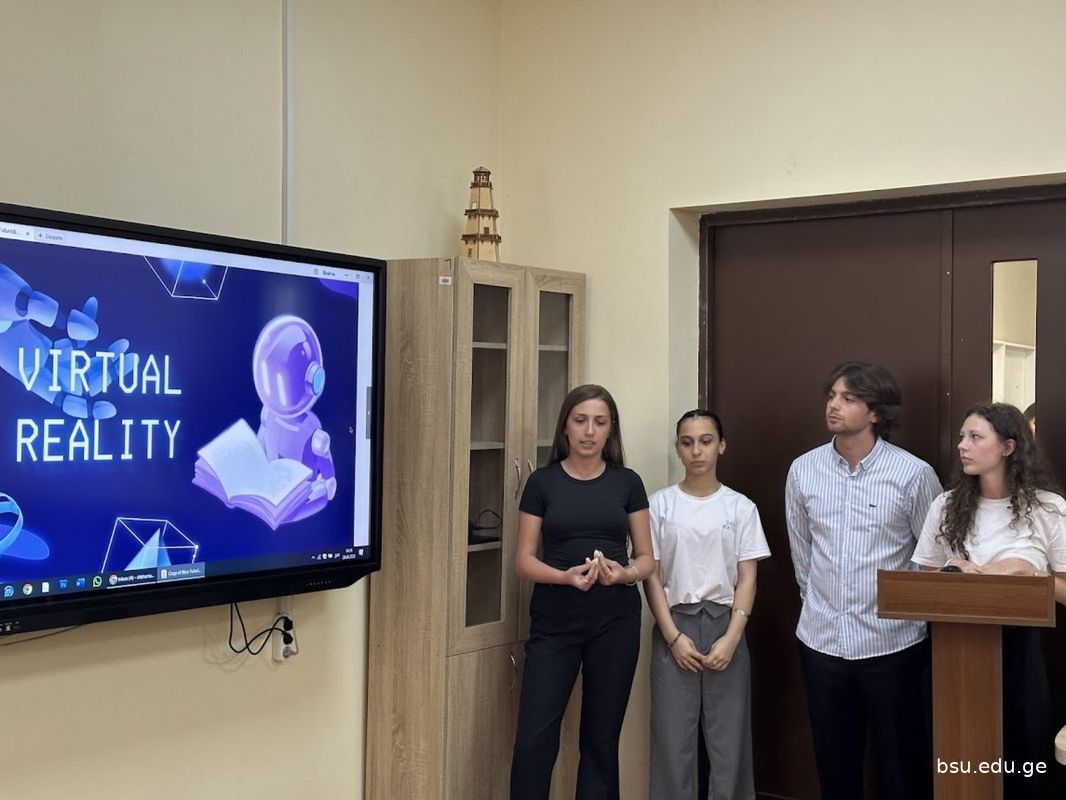
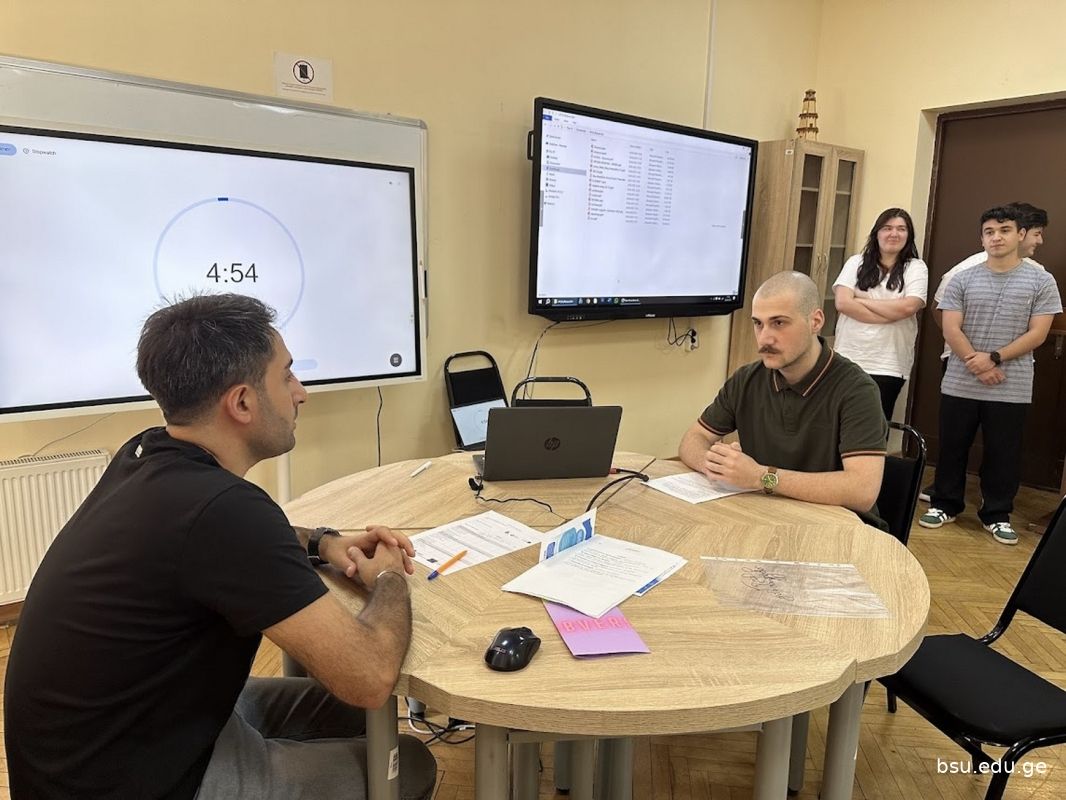
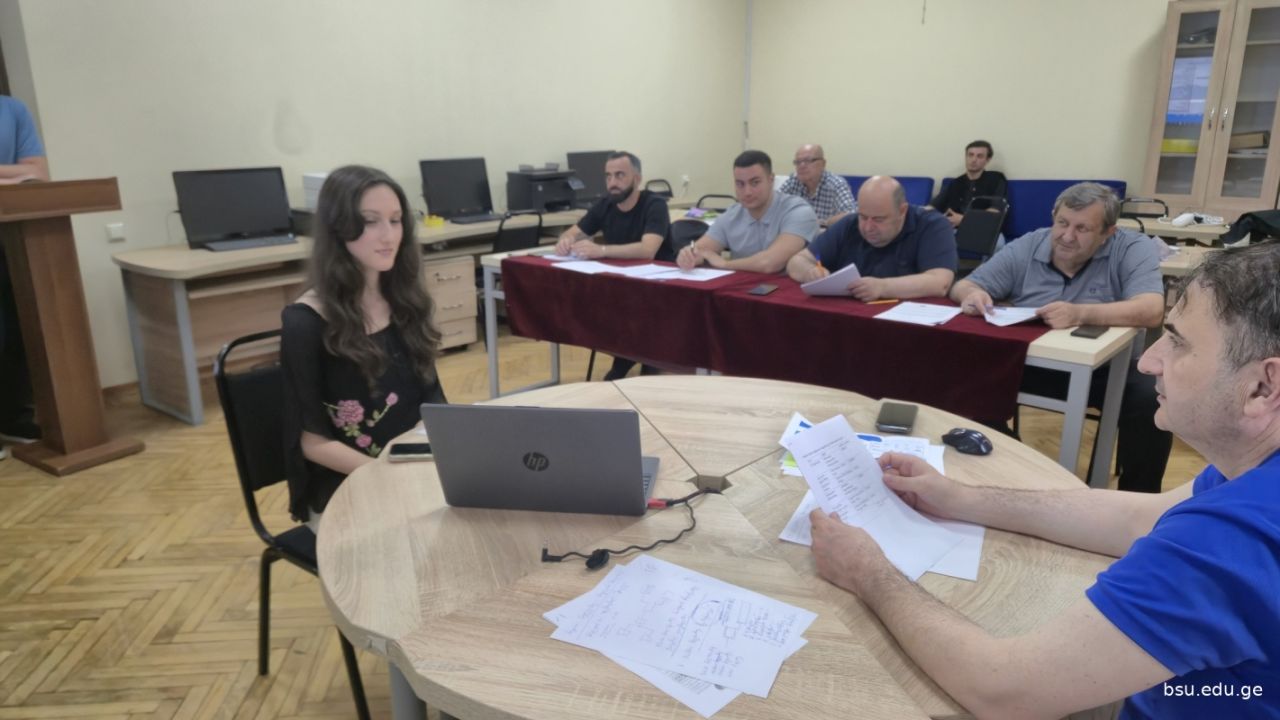
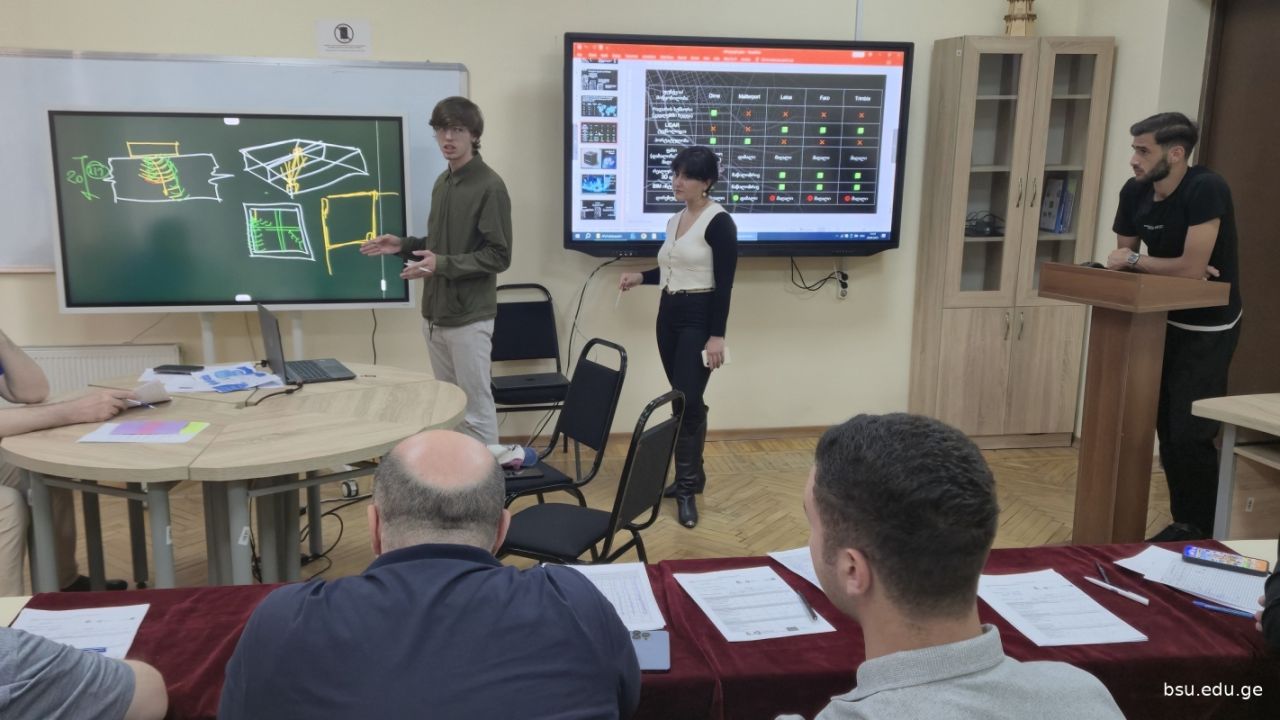
A jury including representatives of the BSU administration, professors and employers, was created to hold the innovation competition. To start the further process, a portal was initially made in Google Survey system, where 84 teams were registered, among which 34 teams were selected to introduce their business ideas in the form of a presentation. After 30 teams were finally picked up for the next stage. These teams were retrained; stimulating training was held in the BSU sales and negotiation section. The teams trained for the final conducted sales negotiations with the university and invited business representatives. Each team consisted of 2-4 students, a total of 95 students. Sales of innovations and presentation of innovations were modeled as follows: BSU, construction or other companies were in the role of the buyer, and one person from the team, presumably a hustler, was in the role of the seller. After identifying the buyer's problems and piqued their interest, the team presented an innovative business idea.
The highest evaluation score was awarded to the** QR-coded smart token necklace** containing essential life-saving personal information. The other concepts presented by the teams dealt with virtual physics and chemistry, applications for certified architects and local tourism, platforms for human assistance and VR-based navigation, AI-assistant based solutions, 3D building models generating, building damage indicating technologies, emotion-generated smart lighting systems, clothing recycling manufacturing facilities, etc.